
It starts far from your cup. Before the roast, before the shipment, before the price, there are routes, risks, and decisions being made under pressure. Coffee just happens to be where it all shows up. Conflict, rising costs, and shifting trade flows are quietly reshaping the system, and every sip you take is now connected to a web of forces most people never see.
Your Morning Coffee Isn’t Neutral
In today’s world, everything seems more polarized than ever. For instance, people constantly hear left versus right, Republican versus Democrat, and an unhealthy obsession with who others voted for or what they support. Moreover, every purchase, “like,” and social media dopamine hit feels politically charged, and your morning cup of coffee is no different. This situation is not about ballot-box politics, but instead reflects the increasingly complex framework of geopolitical complications that touch every bean.
Shipping routes are becoming risk zones, not trade lanes
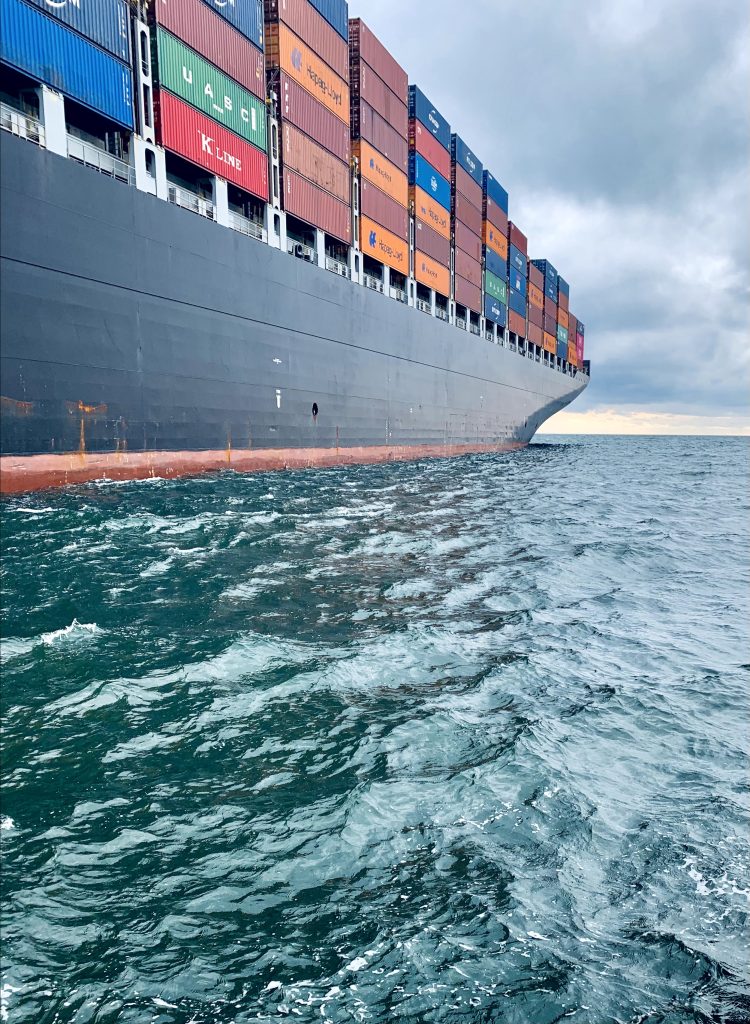
Coffee ranks among the most globally traded commodities and depends heavily on critical maritime routes. Most coffee does not pass through the Strait of Hormuz, yet the recent conflict in the Middle East forces global shipping lines to reroute around the southern tip of the Cape Peninsula in South Africa. This rerouting adds ten to twenty days for beans traveling from Vietnam, the world’s largest robusta supplier, to North American and European markets. Companies in the coffee supply chain also pay war risk premiums as insurance costs rise and container availability decreases, driving up freight rates for everyone.
The Energy and Fertilizer Connection
Coffee plants need nutrients, and fertilizer represents one of the most costly inputs for farmers. The Middle East exports key components for nitrogen-based fertilizers, and with the Strait of Hormuz closed, fertilizer prices have risen dramatically. Consumers have not yet felt the impact, but future harvest yields will likely decrease. Energy costs play a critical role as well. Coffee must be dried, processed, and transported from the farm gate to its final destination. As oil prices climb above $100 per barrel, farmers and shippers face higher costs for fueling machinery and moving beans from West Africa to a roaster in New York City.
The “Record Harvest” Buffer and Roaster Reaction
Brazil expects a record 2026/27 harvest of 66.2 million bags. However, the recent war in the Middle East and its downstream effects make it harder and more expensive to bring that coffee to market. This uncertainty leaves roasters hesitant to make long-term commitments, with most choosing a hand-to-mouth purchasing strategy. They buy only what they need for the immediate future. This approach helps them avoid locking in higher prices if tensions in the Middle East ease, but it also exposes their supply chains to shortages if logistical disruptions continue as they have over the past few weeks.
The Cost Nobody’s Pricing In
For decades, forces beyond the café have shaped a cup of coffee. What has changed now is the speed of those forces. These disruptions no longer remain slow-moving background variables; they actively pressure the system in ways even a record harvest cannot offset. The question no longer asks whether global politics affects your cup. It asks whether the people growing it can still afford to.